
Thinking about veneers in Conyers, GA? They often cost between about $800 and $2,500 per tooth depending on materials, the dentist’s experience, and any preparatory work needed. You’ll find that porcelain veneers from an experienced local cosmetic dentist usually sit at the higher end but offer the most natural look and longevity.
This article breaks down what veneers are, the key pricing factors in Conyers, how to compare local providers, payment and insurance options, and what maintenance looks like over time. It also outlines practical next steps to help you decide whether veneers fit your goals and budget, and how to move forward comfortably with a trusted local dentist.
Understanding What Veneers Are
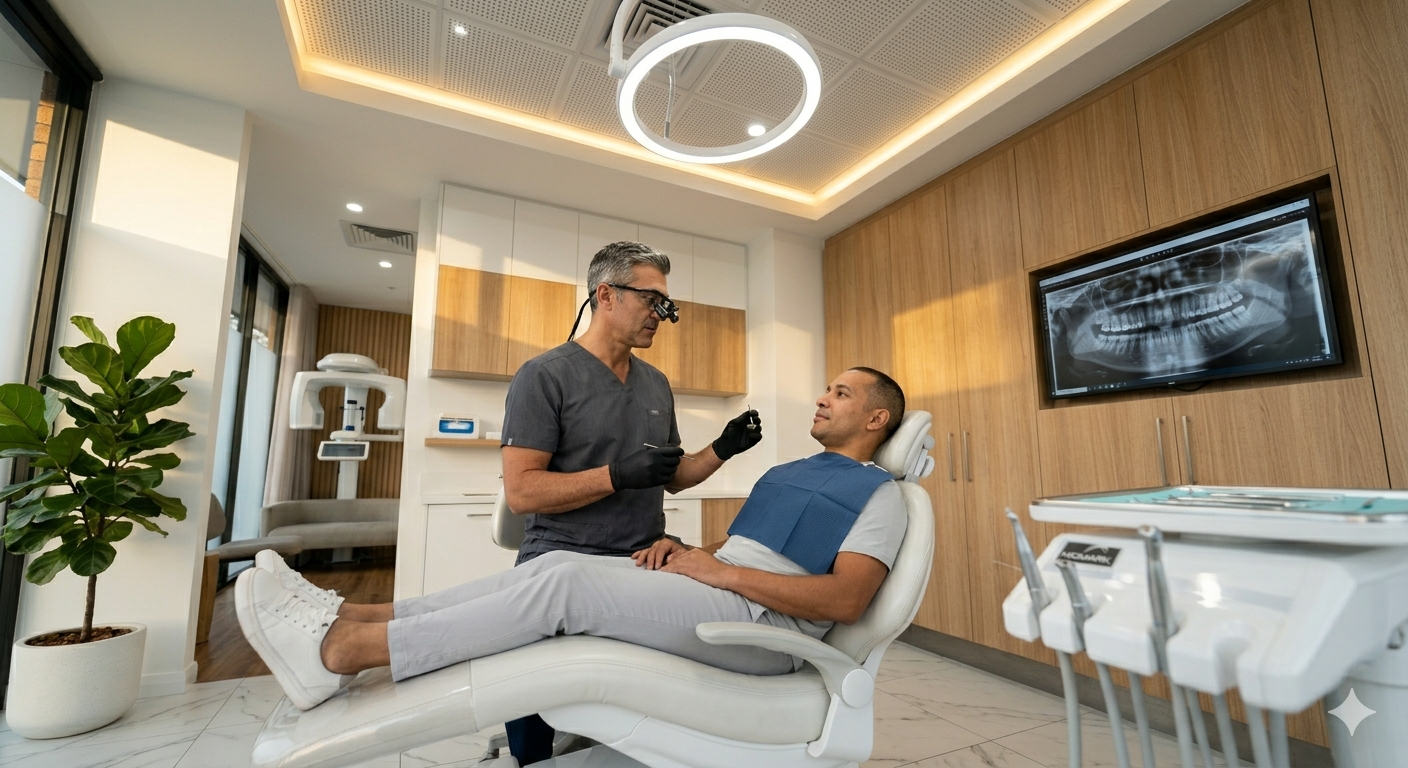
Veneers are thin shells bonded to the front of teeth to change appearance and function. They address color, shape, size, and minor alignment issues with conservative tooth preparation.
Types of Veneers Available
Porcelain veneers are the most common. Crafted in a dental lab from high-strength ceramic, they mimic natural enamel and resist staining. A typical process takes two visits: one for tooth preparation and impressions, and one for final bonding. Porcelain lasts 10–15 years with proper care.
Composite veneers use resin applied and shaped directly on the tooth. They usually complete in a single visit and cost less than porcelain, but they chip or stain more easily and typically last 5–7 years. Dentists often repair composite directly in the mouth.
Lumineers and other ultra-thin veneers require minimal or no tooth reduction. They preserve more natural tooth structure but may not suit teeth with large shape changes or heavy misalignment. Material choice depends on budget, desired longevity, and how much tooth alteration a patient and dentist find acceptable.
How Veneers Enhance Your Smile
Veneers correct discoloration when whitening cannot achieve the desired result, such as intrinsic stains from tetracycline or root canal darkening. They also close small gaps and mask minor crowding without orthodontics, offering faster cosmetic outcomes.
They reshape worn, chipped, or short teeth to improve bite contacts and esthetics. Porcelain’s translucency replicates natural enamel, giving a realistic appearance under different lighting. Properly bonded veneers distribute biting forces across the tooth, reducing sensitivity in some cases.
Maintenance mirrors natural teeth care: twice-daily brushing with nonabrasive toothpaste, daily flossing, and regular dental exams. Avoiding hard bites on ice or fingernails and nighttime mouthguards for grinders extends veneer life.
Who is a Good Candidate
Ideal candidates have generally healthy gums and teeth with no active decay or uncontrolled periodontal disease. Patients seeking cosmetic correction for discoloration, small gaps, or minor misalignment often benefit most. Dentists evaluate bite forces, bruxism, and enamel thickness before recommending veneers.
People with extensive tooth decay or severe misalignment may need alternative or additional treatments like crowns or orthodontics first. Smokers should understand higher staining risks and possible bond strength issues. A consultation with a dentist in Conyers, GA, clarifies candidacy, cost options, and a personalized treatment plan.
Pricing Factors in Conyers GA
Veneer pricing in Conyers varies mainly by the material chosen, how many teeth are treated, and the complexity of the preparation and placement. Local lab fees, dentist experience, and any required preparatory work (like fillings or gum treatment) also change the final estimate.
Materials and Their Impact on Cost
Porcelain veneers typically cost more than composite because porcelain requires a laboratory, custom shading, and stronger bonding protocols. In Conyers, porcelain veneers often range higher due to use of boutique or CAD/CAM labs that provide natural translucency and stain resistance.
Composite veneers are fabricated directly in the office and usually cost less per tooth. They can be completed in a single visit, which reduces lab fees and chair time, but they stain and chip more easily and may need replacement sooner.
Other material considerations include the type of porcelain (e.g., lithium disilicate vs. feldspathic) and whether the clinic uses pressed or layered techniques. Higher-grade ceramics increase durability and aesthetics but raise the price. Patients should ask for material samples, warranty details, and how the lab’s reputation affects outcomes.
Number of Veneers Needed
Cost scales almost directly with how many teeth receive veneers. Treating a single front tooth will be substantially cheaper than an 8–10 tooth smile makeover, because materials and lab fees multiply with each unit.
Some patients choose “smile design” packages that discount per-tooth pricing when multiple veneers are done together. Clinics in Conyers often offer tiered pricing: single-unit, small-arc (4–6 teeth), and full-arc (8–10 teeth) plans. These packages may include initial consults, imaging, and follow-up adjustments.
Patients should factor in indirect costs: provisional restorations, additional bonding appointments, and possible future replacements. A conservative plan—treating only visibly mismatched teeth—can lower upfront cost while preserving budget for future work.
Complexity of the Dental Procedure
Preparation complexity affects both time and cost. Minimal-prep or no-prep veneers preserve enamel and reduce chair time, but not every case qualifies; severe misalignment, large restorations, or bite problems usually require more aggressive preparation or orthodontic pretreatment.
Cases needing gum contouring, root canal therapy, or replacement of failing restorations add to the total. Diagnostic work—digital scans, X-rays, and mock-ups—also contributes to cost but improves predictability. Highly experienced cosmetic dentists often charge premium fees for advanced smile design and precision placement.
Complex occlusal adjustments or bite equilibration increase visits and lab work. Patients should get an itemized estimate that lists preparatory treatments, provisional costs, and the lab fee per veneer to compare true value across Conyers providers.
Comparing Local Dental Providers
Patients should weigh clinician skill, practice experience, and practical details like office location, appointment availability, and on-site technology. These factors directly affect treatment quality, total cost, and the comfort of the veneer process.
Experience and Credentials Matter
Look for dentists who list cosmetic dentistry or prosthodontics on their profile and show a clear veneer case gallery with before-and-after photos. A specialist in prosthodontics or a dentist with several years focused on cosmetic cases typically delivers more predictable shade matching and contouring.
Check credentials: dental school, advanced training courses (e.g., ACE Academy, AACD workshops), and state licensure. Confirm membership in professional organizations and read patient reviews that mention durability, pain management, and final esthetic results. Ask about lab partnerships and whether the dentist uses digital impressions or tries in mock-ups — those details improve fit and reduce remakes.
Request specifics about experience with the veneer type you want (porcelain vs. composite), average lifespan they observe, and warranty or remake policies. A practice that tracks outcomes and offers clear timelines for prep, temporary veneers, and final placement usually indicates disciplined clinical protocols.
Office Location and Facility Amenities
Choose a practice within a 20–30 minute drive to simplify multiple visits: initial consult, prep, and final bonding. Proximity reduces missed appointments and travel-related stress during sensitivity periods after preparation.
Inspect the facility for in-office CAD/CAM milling, same-day porcelain options, and on-site dental labs; these technologies can shorten treatment time and sometimes lower lab fees. Comfortable amenities—private consult rooms, noise-cancelling headphones, and sedation options—help anxious patients tolerate longer appointments.
Confirm scheduling flexibility: evening or Saturday slots, estimated procedure lengths, and emergency contact policies. Verify insurance handling, available financing (third-party plans, in-house payment), and whether the office provides detailed written estimates outlining fees for consultation, preparation, temporaries, lab work, and final placement.
Insurance and Payment Plans
Patients often face out-of-pocket costs for cosmetic dental work and want clear options for insurance coverage and payment. Knowing typical insurance limits and common financing choices helps make veneer treatment more manageable.
What Your Dental Insurance May Cover
Insurance rarely covers purely cosmetic veneers; most policies classify them as elective and exclude them. However, if veneers correct functional issues—like repairing tooth structure after trauma or restoring severe wear—some plans will cover part of the cost under restorative benefits.
Patients should check specifics: annual maximums (commonly $1,000–$2,000), deductible amounts, and whether coverage is percentage-based (e.g., 50% for restorative procedures). Pre-authorization can clarify benefits before treatment begins. Dental offices in Conyers often submit claims directly and can provide a cost estimate showing what insurance might pay versus patient responsibility.
Patients with dual coverage should ask the office to coordinate benefits. Keep documentation of medical necessity from the dentist to improve chances of reimbursement when teeth require treatment beyond cosmetic reasons.
Flexible Financing Options
Many Conyers dental practices offer in-house payment plans that split the patient balance into monthly installments with little or no interest for short terms. For larger balances, third-party medical financing companies like CareCredit or LendingClub Patient Solutions provide 6–60 month plans; approval depends on credit and may include promotional 0% APR periods.
Clinics often combine insurance payments with financing to minimize immediate out-of-pocket costs. Patients should request a written payment schedule and verify any late fees or interest that could apply after promotional periods end. Asking for a phased treatment plan—doing veneers in stages—can also spread costs while addressing the most urgent dental needs first.
They should compare total repayment amounts, not just monthly payments, and confirm that lab fees, temporary veneers, and follow-up visits are included in the quoted price.
Long-Term Value and Maintenance
Veneers deliver cosmetic improvement and functional protection, but their long-term value depends on material choice, bonding quality, and daily care. Patients can expect years of enhanced appearance if they follow maintenance recommendations and address problems early.
Expected Lifespan of Veneers
Porcelain veneers typically last 10–15 years with normal wear; high-quality lithium disilicate (e.max) can often reach 15–20 years when bonded correctly. Composite resin veneers have a shorter lifespan, commonly 5–7 years, because the material stains and abrades faster.
Success depends on bite forces and oral habits. Patients who grind teeth (bruxism) or chew hard objects risk chipping; a custom nightguard can reduce that risk substantially. Bond strength matters: properly etched and cemented veneers resist debonding, while poor preparation increases failures.
Regular dental checkups allow early detection of marginal gaps or underlying decay, which extend veneer life. Replacing a single veneer is often possible, but color matching becomes harder over time as neighboring teeth change.
Caring for Your New Smile
Daily hygiene should mimic natural teeth care: brush twice with a non-abrasive fluoride toothpaste and floss once daily to prevent gum inflammation and decay at restoration margins. Use a soft-bristled brush to protect glaze on porcelain veneers.
Avoid habits that stress veneers: no biting fingernails, opening packages with teeth, or chewing ice. Limit staining agents—coffee, tea, red wine, and tobacco can discolor composite veneers and roughen porcelain over years. Professional polishing at routine cleanings restores surface luster.
If clenching or grinding is present, wear a custom-fitted nightguard every night to prevent fractures. Report chips, sensitivity, or loosened veneers promptly; early repair reduces the need for full replacement. Regular dental exams, combined with these habits, maximize appearance and function while controlling long-term costs.
Steps to Your Perfect Smile
The first step is a consultation with a trusted Conyers dentist who evaluates oral health and discusses goals. They take X-rays and photos to plan veneers that match shape, color, and bite.
Next, any needed preparatory work occurs. This may include fixing decay or gum issues so veneers sit on a healthy foundation.
During the design phase, the team creates a mockup or digital preview so the patient can visualize results. Adjustments are made for comfort and natural appearance before committing.
Preparation usually involves minimal enamel reshaping and impressions or digital scans. Temporary veneers may be placed while the lab fabricates the final pieces, keeping aesthetics intact.
On placement day, the dentist bonds each veneer with precision, checking fit and bite in short, careful steps. The process typically takes a few appointments but aims to minimize chair time and discomfort.
Aftercare focuses on gentle oral hygiene and routine dental visits to protect the investment. Patients receive guidance on brushing, flossing, and avoiding habits that could chip veneers.
Costs vary by material, complexity, and the provider’s experience in Conyers. They can discuss financing, insurance possibilities, and staged treatment options to make care accessible.
Call the dental office to schedule a consultation or ask about a smile preview; the team will answer questions and outline practical next steps.
Why Choose a Local Cosmetic Dentist
A local cosmetic dentist understands the Conyers community and its specific needs. They see similar cases regularly and tailor veneers to match local aesthetic preferences and bite patterns.
Choosing nearby care makes visits easier and less stressful. Shorter travel times help with follow-up checks, adjustments, and any unexpected concerns after veneer placement.
Local dentists often build long-term relationships with patients. That continuity improves trust and comfort, which matters when discussing shade, shape, and treatment budgets.
Many neighborhood practices invest in modern technology like in-office milling or digital smile design. These tools can speed up treatment and improve precision without needing multiple referrals.
Cost transparency tends to be better with a local practice. Patients can get detailed estimates, discuss financing or payment plans face-to-face, and compare options like porcelain versus composite veneers.
A nearby dentist coordinates care with other local providers when necessary. If a patient needs orthodontics, periodontal work, or emergency care, a local network simplifies scheduling and communication.
Patients often value a familiar, caring environment for cosmetic procedures. A friendly team reduces anxiety, explains each step clearly, and supports decisions about appearance and oral health.
Consider booking a consultation to see treatment examples, ask about materials and timelines, and get a personalized cost estimate.
Moving Forward With Your Veneers Journey
They should schedule a consultation to review goals, oral health, and smile expectations. The dentist will examine teeth, take X‑rays, and discuss whether veneers are the best option or if alternatives like bonding or whitening might suffice.
Patients can expect a clear cost breakdown during the visit. This often includes lab fees, the number of veneers, anesthesia, and follow‑up visits; financing and payment plans are usually available to spread costs.
The preparation process is straightforward and typically done in one or two visits. Teeth are gently reshaped, impressions are taken, and temporary veneers may be placed while the lab fabricates the final restorations.
Maintenance is simple but essential for longevity. Regular brushing, flossing, and routine dental cleanings help veneers last longer, and avoiding very hard foods reduces the risk of chips.
They should ask specific questions at the appointment: estimated timeline, warranty or guarantee on veneers, what to expect with sensitivity, and how many visits are required. Written cost estimates and a treatment plan help avoid surprises.
A polite next step is scheduling a consult with a trusted Conyers dentist. They can get personalized pricing, explore payment options, and create a comfortable plan tailored to the patient’s smile and budget.
Frequently Asked Questions
This section gives specific cost ranges, insurance realities, material differences, and practical options for patients in Conyers, GA considering veneers. It focuses on per-tooth pricing, insurance coverage, material trade-offs, small-area treatments, full-mouth estimates, and lower-cost alternatives.
How much do dental veneers typically cost per tooth in the Conyers area?
In Conyers, porcelain veneers commonly range from $900 to $1,800 per tooth depending on the lab, dentist experience, and case complexity. Composite veneers typically cost $300 to $700 per tooth when done directly in the office.
Prices on the low end usually correspond to basic cosmetic cases; higher fees reflect custom shading, premium labs, or additional prep like gum recontouring.
Does dental insurance usually help pay for veneers, and what does it cover?
Most dental insurance plans classify veneers as elective cosmetic work and do not cover them. If veneers repair damage from trauma or restore function after large restorations, insurers may offer partial coverage—typically a fixed restorative benefit, not full cost.
Patients should request a pre-treatment estimate from their insurer and submit a detailed treatment plan to clarify any possible coverage.
What’s the price difference between porcelain veneers and composite veneers?
Porcelain veneers cost roughly three to five times more than composite veneers per tooth in Conyers. Porcelain: $900–$1,800 per tooth; composite: $300–$700 per tooth.
Porcelain lasts longer (10–15+ years) and resists staining, while composite is cheaper up front and can often be repaired chairside, but may need replacement sooner.
How much might it cost to veneer just the two front teeth for a natural-looking smile?
Veneering the two front teeth in Conyers typically costs $600–$3,600 total depending on material and provider. Expect $600–$1,400 for two composite veneers, or $1,800–$3,600 for two porcelain veneers.
A natural look also depends on shade matching, minor tooth preparation, and possible contouring—services that may add to the final fee.
What does a full set of veneers usually cost, and how many teeth are included?
A full set often refers to the upper front 8–10 teeth; some people choose 10–12 teeth for a wider smile. Full-mouth porcelain veneer treatment in Conyers generally runs $7,200–$21,600 or more, based on $900–$1,800 per tooth.
Some practices offer packages or phased treatment plans and financing to spread costs over time.
What are the most affordable alternatives to veneers if you’re on a tight budget?
Lower-cost options include composite bonding ($300–$700 per tooth), teeth whitening ($100–$400), and orthodontic clear aligners for minor alignment issues ($2,000–$5,500). Dental bonding and whitening can improve appearance without the higher veneer price.
Patients should consult their dentist to match the alternative to their cosmetic goals and budget, and ask about payment plans or in-office financing.